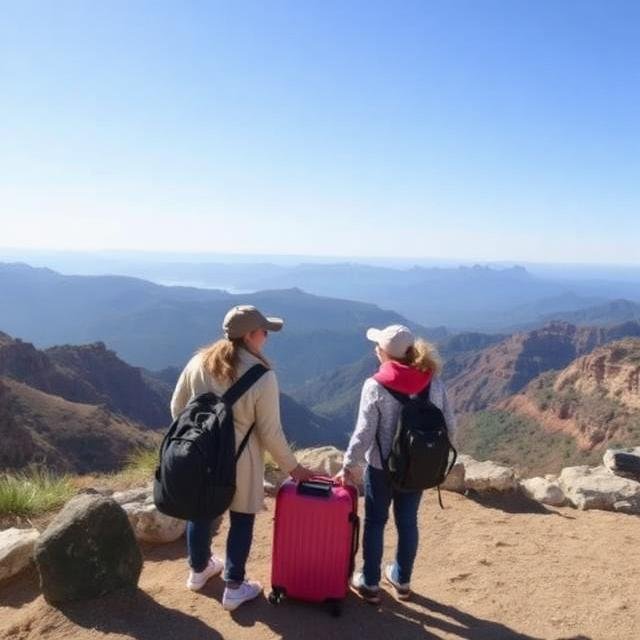
Mountain climbing is one of the most rewarding adventure experiences in the world. Standing at a summit after hours (or days) of effort gives you a sense of achievement that few other activities can match. But here’s the good news—you don’t need to start with the world’s highest peaks. There are many beginner-friendly mountains across the globe that are safe, scenic, and perfect for learning the basics of climbing.
In this guide, we’ll explore the best mountain climbing destinations for beginners, while answering key questions and breaking everything down point by point.
1. Which mountain is easy to climb for beginners?
If you are new to mountain climbing, you should start with low-altitude, well-marked, and non-technical peaks. These mountains allow you to build stamina and confidence without extreme risk.
Top Easy Mountains for Beginners
🇹🇿 Mount Kilimanjaro (Easy Route – Marangu)
Located in Tanzania, Mount Kilimanjaro is often considered beginner-friendly compared to technical climbs.
- No climbing equipment required on standard routes
- Trekking, not technical climbing
- Gradual altitude gain
Best for beginners who want a real high-altitude experience without technical skills.
🇳🇵 Poon Hill Trek Peaks (Nepal)
In the Annapurna Region, peaks around Poon Hill offer beginner-level trekking climbs.
- Moderate altitude
- Stunning sunrise views of Annapurna
🇮🇳 Stok Kangri Base Trek (India – easier routes nearby)
In Ladakh, beginners can try lower trekking peaks before attempting higher climbs.
Conclusion:
Mount Kilimanjaro (via easy routes) is one of the most popular beginner-friendly mountains in the world.
2. What mountains should I climb as a beginner?
As a beginner, you should focus on trekking peaks and non-technical mountains. These help you develop endurance, altitude adaptation, and basic mountaineering skills.
Best Beginner Mountains Worldwide
🇳🇵 Island Peak
- Popular beginner climbing peak
- Requires basic rope and crampon skills
- Great introduction to Himalayan climbing
🇨🇭 Mount Rigi
- Easy hiking mountain
- Well-marked trails
- Suitable for first-time climbers
🇮🇹 Mount Etna
- Active volcano climb (guided)
- Moderate difficulty
🇦🇷 Cerro Bayo
- Beginner-friendly Andes peak
- Scenic and less crowded
🇨🇦 Mount Temple (beginner routes only)
- Some sections are accessible for early climbers with guides
Best advice: Start with hiking mountains first, then move to trekking peaks before attempting technical climbs.
3. Which of the 7 summits is the easiest?
The Seven Summits are the highest mountains on each continent. They are a dream challenge for climbers worldwide.
The Easiest of the 7 Summits
Mount Kilimanjaro (Africa)
- No technical climbing required
- Trekking only
- Most accessible of all seven
Mount Elbrus (Europe)
- Located in Russia
- Requires basic crampon and ice axe skills
- Moderate difficulty
Mount Kosciuszko (Australia)
- Very easy hike
- Suitable for absolute beginners
Final answer:
Mount Kosciuszko is the easiest technically, but Mount Kilimanjaro is the most popular beginner Seven Summit climb.
4. Which country is best for mountain climbing?
Several countries are world-famous for mountain climbing. The “best” depends on whether you want beginner hikes or extreme climbs.
Top Countries for Mountain Climbing
🇳🇵 Nepal – The Himalayan Giant
Home to the world’s highest peaks in the Himalayas
- Everest Base Camp trek
- Island Peak climbs
- Stunning scenery
Best for: All levels (especially beginners + intermediates)
🇨🇭 Switzerland – Alpine Beauty
- Well-maintained trails
- Safe climbing infrastructure
- Famous peaks like Matterhorn
Best for: Beginners and recreational climbers
🇹🇿 Tanzania – Kilimanjaro Country
- Home to Africa’s highest peak
- Non-technical climbing routes
Best for: First-time high-altitude climbers
🇵🇪 Peru – Andes Adventure
- Trekking and climbing in the Andes
- Machu Picchu trails
🇺🇸 USA – Diverse Climbing Terrain
Conclusion:
For beginners, Nepal, Switzerland, and Tanzania are the best countries to start mountain climbing.
5. Types of Mountain Climbing for Beginners
Before choosing a destination, it’s important to understand different types of climbing:
Trekking Peaks
- No technical gear required
- Ideal for beginners
Assisted Climbs
- Require ropes and guides
- Example: Island Peak
Hiking Mountains
- Simple walking trails
- No climbing experience needed
Snow Climbs
- Require ice axes and crampons
- Suitable for intermediate beginners
Start with hiking → then trekking → then climbing.
6. Beginner Mountain Climbing Tips
Physical Preparation
- Build stamina with walking or running
- Practice stair climbing
Safety Essentials
- Always climb with certified guides
- Learn altitude sickness symptoms
- Never rush ascent
Packing Basics
- Proper hiking boots
- Layered clothing
- Water and energy snacks
Weather Awareness
- Always check forecasts
- Avoid climbing in extreme conditions
7. Common Mistakes Beginners Should Avoid
- Choosing difficult mountains too early
- Ignoring altitude effects
- Not training physically
- Carrying unnecessary heavy gear
The biggest mistake is underestimating the mountain.
8. Why Mountain Climbing is Worth It
Mountain climbing is not just a sport—it’s a life-changing experience.
Physical Benefits
- Builds strength and endurance
- Improves cardiovascular health
Mental Benefits
- Reduces stress
- Builds confidence
- Enhances focus
Emotional Benefits
- Connection with nature
- Sense of achievement
Final Thoughts
Mountain climbing is one of the most powerful adventure experiences in the world, and beginners have more options than ever before. You don’t need to start with extreme peaks—there are many safe and scenic mountains that help you build skills step by step.
Key Takeaways:
- Mount Kilimanjaro is the most popular beginner-friendly climb
- Nepal and Switzerland are top beginner climbing countries
- The easiest Seven Summit is Mount Kosciuszko, but Kilimanjaro is the most famous beginner challenge
- Start with hiking, then progress to trekking and climbing
If you’re ready to begin your journey, the mountains are waiting—one step at a time.