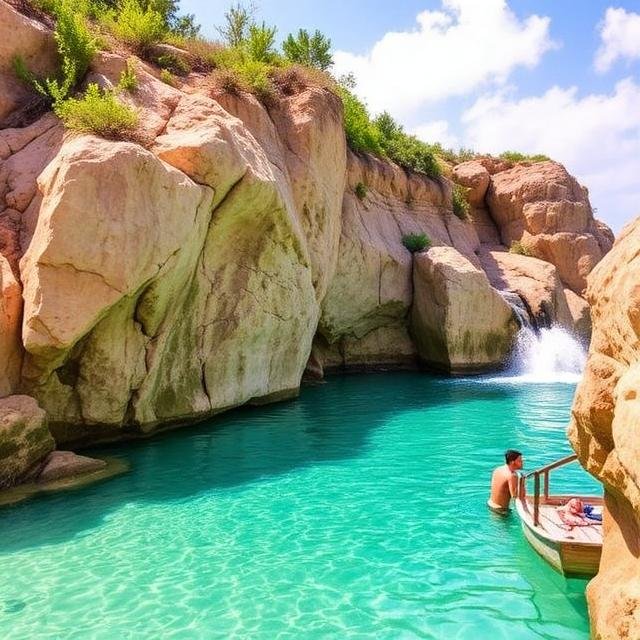
Exploring the underwater world is one of the most magical travel experiences you can have. From colorful coral reefs to mysterious shipwrecks and vibrant marine life, scuba diving and snorkeling open a gateway to a completely different universe. Whether you’re a beginner or an experienced diver, choosing the right destination can make all the difference.
In this guide, we’ll explore the best places for scuba diving and snorkeling, while answering key questions that travelers often ask before planning their underwater adventure.
1. Which place is best for scuba diving?
There’s no single “best” place—it depends on what you’re looking for: coral reefs, marine biodiversity, visibility, or unique underwater features. However, some destinations consistently rank at the top.
Top Scuba Diving Destinations
🇦🇺 Great Barrier Reef
- The world’s largest coral reef system
- Home to thousands of marine species
- Ideal for both beginners and experts
Often considered the best overall scuba diving destination due to its scale and biodiversity.
🇲🇻 Maldives
- Crystal-clear waters
- Encounters with manta rays and whale sharks
- Luxurious dive resorts
🇪🇬 Red Sea (Egypt)
- Warm waters year-round
- Vibrant coral reefs
- Famous dive sites near Sharm El Sheikh
🇮🇩 Raja Ampat
- One of the most biodiverse marine ecosystems
- Perfect for experienced divers
🇧🇿 Great Blue Hole
- Unique underwater sinkhole
- A bucket-list destination for divers
Conclusion:
If you want a mix of accessibility and marine life, the Great Barrier Reef and Maldives are top choices.
2. Where is the most beautiful place to scuba dive?
Beauty in scuba diving often comes down to visibility, coral health, and marine diversity.
Most Beautiful Diving Locations
🇮🇩 Raja Ampat
- Crystal-clear water
- Vibrant coral gardens
- Over 1,500 species of fish
Widely considered the most beautiful diving destination in the world.
🇵🇭 Palawan
- Turquoise waters
- Stunning underwater limestone formations
🇫🇯 Fiji
- Known as the “Soft Coral Capital of the World”
- Colorful reefs and diverse marine life
🇹🇭 Similan Islands
- Excellent visibility
- White sandy seabeds and clear waters
These destinations offer picture-perfect underwater landscapes, making them ideal for photographers and nature lovers.
3. Best Places for Snorkeling Trips
If scuba diving feels too intense, snorkeling is a great alternative that still lets you enjoy marine beauty.
Top Snorkeling Destinations
🇺🇸 Hawaii
- Calm waters
- Sea turtles and tropical fish
🇹🇿 Zanzibar
- Shallow reefs
- Rich marine biodiversity
🇦🇺 Ningaloo Reef
- Swim with whale sharks
- Easy shore access
🇲🇽 Cozumel
- Clear waters
- Vibrant coral reefs
Snorkeling destinations are ideal for beginners and families, offering easy access to marine life without heavy equipment.
4. What is the 120 rule in diving?
The 120 rule is an important safety guideline in scuba diving.
Understanding the 120 Rule
- It refers to the maximum total depth (in feet) and bottom time (in minutes)
- The sum of your depth and time should not exceed 120
Example:
- Dive to 60 feet → stay for 60 minutes
- Dive to 40 feet → stay for 80 minutes
Why It Matters
- Helps prevent decompression sickness
- Ensures safe nitrogen levels in the body
While modern dive computers have made this rule less commonly used, it’s still a helpful guideline for beginners.
5. Is diving good for high blood pressure?
Scuba diving can be beneficial in some ways, but it requires caution for people with high blood pressure.
Potential Benefits
- Promotes relaxation
- Improves breathing control
- Encourages physical activity
Risks to Consider
People with Hypertension should be careful because:
- Pressure changes can affect the cardiovascular system
- Stress underwater may increase heart rate
Recommendations
- Consult a doctor before diving
- Avoid deep or strenuous dives
- Choose calm, shallow dive sites
In many cases, controlled and medically approved diving can be safe—but professional advice is essential.
6. Types of Scuba Diving Experiences
Not all diving experiences are the same. Here are different types you can explore:
Reef Diving
- Explore coral ecosystems
- Ideal for beginners
Wreck Diving
- Dive around sunken ships
- Popular in places like Red Sea
Drift Diving
- Let currents carry you
- Found in Maldives
Night Diving
- Discover nocturnal marine life
- Unique and thrilling
Ice Diving
- Dive under frozen lakes
- Extreme and advanced
Each type offers a completely different underwater experience.
7. Tips for Scuba Diving and Snorkeling Trips
Essential Tips
- Always dive with a certified instructor
- Check your equipment carefully
- Stay hydrated
Safety Tips
- Never hold your breath while diving
- Ascend slowly
- Follow dive tables or computers
Environmental Tips
- Avoid touching coral reefs
- Respect marine life
- Use reef-safe sunscreen
8. Why Underwater Travel is So Popular
Scuba diving and snorkeling are growing rapidly in popularity because:
- They offer a unique perspective of the planet
- Marine ecosystems are incredibly diverse
- Social media has increased awareness
- More beginner-friendly options are available
Today, underwater travel is not just for experts—it’s accessible to almost everyone.
Final Thoughts
Scuba diving and snorkeling are among the most exciting ways to explore the natural world. Whether you’re swimming alongside tropical fish in the Maldives or diving deep into the Great Blue Hole, every experience is unforgettable.
Key Takeaways:
- The Great Barrier Reef and Maldives are among the best diving destinations
- Raja Ampat is often considered the most beautiful diving spot
- The 120 rule helps maintain diving safety
- Diving can benefit health, but those with high blood pressure should take precautions
If you’re ready to explore beneath the waves, the world’s oceans are waiting for you.