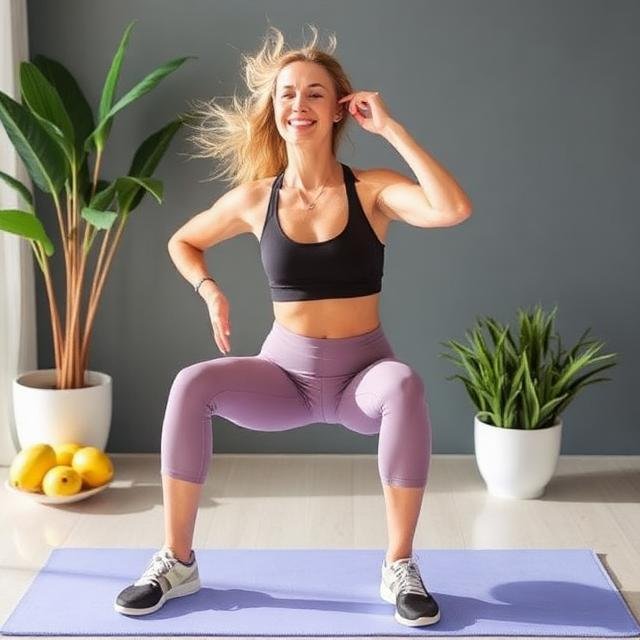
Staying healthy and fit doesn’t require a gym membership or fancy equipment. With a few simple habits and exercises, you can improve muscle strength, bone density, and overall fitness right at home. In this guide, we’ll explore how to get a ⏳ body, explain how gyms affect bone density, share 5 exercises that increase bone density, discuss how to improve muscle strength, and cover the 7 types of strength you can develop naturally.
Why Staying Fit Without a Gym Works
While gyms offer equipment and structured workouts, many people find it inconvenient or expensive. The good news is that bodyweight exercises, outdoor activities, and healthy lifestyle habits can provide similar benefits. Advantages of staying fit without a gym include:
- Flexibility to exercise anywhere
- Reduced costs
- Personalized pace and routine
- Less reliance on machines
How to Get a ⏳ Body Naturally
The term “⏳ body” often refers to a lean, toned, and age-resilient physique. Achieving this without a gym involves:
1. Bodyweight Exercises
- Push-ups, squats, lunges, and planks target multiple muscle groups.
- Builds strength and endurance without equipment.
2. Cardio and Movement
- Walking, jogging, cycling, or dancing improves cardiovascular health.
- Burns fat and improves stamina.
3. Healthy Nutrition
- Balanced diet with proteins, healthy fats, complex carbs, and vegetables.
- Adequate protein supports muscle tone and recovery.
4. Proper Sleep
- 7–9 hours of quality sleep helps repair muscles and maintain energy.
5. Stress Management
- Meditation, yoga, or breathing exercises prevent stress-related weight gain.
Consistency with these habits results in a fit, lean, and resilient body over time.
How Does Gym Affect Bone Density?
Gyms are often associated with weightlifting and strength training, which positively affect bone density:
- Weight-bearing exercises in the gym, like squats and deadlifts, stimulate bone formation.
- Resistance training helps prevent osteoporosis by maintaining or improving bone strength.
- Even without a gym, similar exercises can be done at home using bodyweight or resistance bands.
Bone density naturally declines with age, so incorporating exercises that challenge your bones is crucial, whether at home or in a gym.
5 Exercises That Increase Bone Density
You don’t need a gym to strengthen your bones. Try these 5 exercises at home:
- Squats
- Weight-bearing and engages leg bones.
- Can be done with bodyweight or holding a household object for resistance.
- Lunges
- Strengthens thighs, hips, and pelvic bones.
- Forward, backward, or side lunges all work effectively.
- Push-Ups
- Supports bone density in arms, shoulders, and chest.
- Modify on knees if needed.
- Step-Ups
- Use stairs or a sturdy platform.
- Engages leg bones and improves balance.
- Planks with Shoulder Taps
- Strengthens core and engages upper body bones.
- Helps stabilize the spine and shoulders.
Tip: Aim for 3–4 sessions per week for maximum bone health benefits.
How to Improve Muscle Strength at Home
Muscle strength is critical for mobility, posture, and daily functioning. You can improve it without gym equipment:
1. Progressive Bodyweight Training
- Gradually increase repetitions or difficulty of exercises like push-ups, squats, and planks.
- Challenge your muscles for consistent growth.
2. Use Household Items
- Water bottles, backpacks, or resistance bands add extra weight.
- Makes bodyweight exercises more challenging.
3. Incorporate Functional Movements
- Activities like carrying groceries, climbing stairs, or gardening strengthen muscles naturally.
4. Nutrition
- Adequate protein (eggs, legumes, tofu, chicken, or fish) supports muscle repair.
- Healthy fats and carbs provide energy for workouts.
5. Rest and Recovery
- Muscles grow stronger during recovery, not during exercise.
- Allow 24–48 hours between intense sessions of the same muscle group.
What Are the 7 Types of Strength?
True fitness involves more than just muscles. The 7 types of strength help you stay fit, resilient, and functional:
- Muscular Strength – Ability of muscles to exert force.
- Muscular Endurance – Muscles’ ability to perform repeated movements without fatigue.
- Cardiovascular Strength – Heart and lungs’ efficiency during physical activity.
- Flexibility Strength – Range of motion of joints and muscles.
- Balance Strength – Ability to maintain stability during movement or standing.
- Core Strength – Stability and strength of the abdomen, back, and pelvis.
- Explosive Strength – Power to generate sudden bursts of force, useful for sports or quick movements.
Focusing on all seven types ensures overall fitness, reduces injury risk, and improves quality of life.
Simple Daily Routine to Stay Healthy and Fit Without a Gym
Here’s a point-to-point daily plan for a fit lifestyle at home:
Morning:
- Drink 2–3 glasses of water
- 10–15 minutes of stretching or yoga
- Bodyweight exercises: squats, push-ups, planks
Afternoon:
- 20–30 minutes of walking, jogging, or cycling
- Healthy lunch with vegetables, protein, and complex carbs
Evening:
- Strength-focused exercises: lunges, step-ups, shoulder taps
- Core exercises: planks, side planks, or bicycle crunches
- Relaxation: deep breathing or meditation
Night:
- Light dinner, prioritize protein and vegetables
- Prepare for consistent sleep routine (7–9 hours)
Additional Tips for Staying Fit Without a Gym
- Take the Stairs – Everyday movement improves bone and cardiovascular health.
- Use Resistance Bands – Affordable tools to increase strength at home.
- Practice Mindful Eating – Avoid overeating and focus on nutrient-rich foods.
- Stay Active in Daily Life – Gardening, cleaning, and walking boost fitness.
- Track Progress – Keep a simple journal of workouts, meals, and sleep.
- Stay Consistent – Daily habits beat occasional intense workouts.
- Challenge Yourself – Increase repetitions, add resistance, or try new exercises gradually.
Common Mistakes to Avoid
- Overtraining without recovery
- Skipping nutrition for workouts
- Ignoring stretching or mobility work
- Focusing only on one type of strength
- Relying on equipment or supplements instead of natural movement
Final Thoughts
Staying healthy and fit without a gym is entirely possible with consistency, creativity, and knowledge of the right exercises. By focusing on bodyweight training, bone-strengthening exercises, and balanced nutrition, you can achieve a strong, lean, and resilient body. Understanding the 7 types of strength ensures that you develop a well-rounded, functional fitness level, while daily routines maintain both physical and mental well-being.