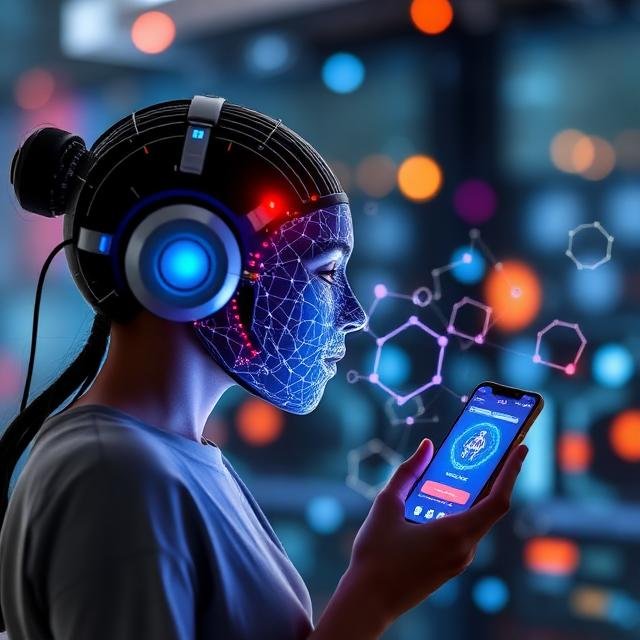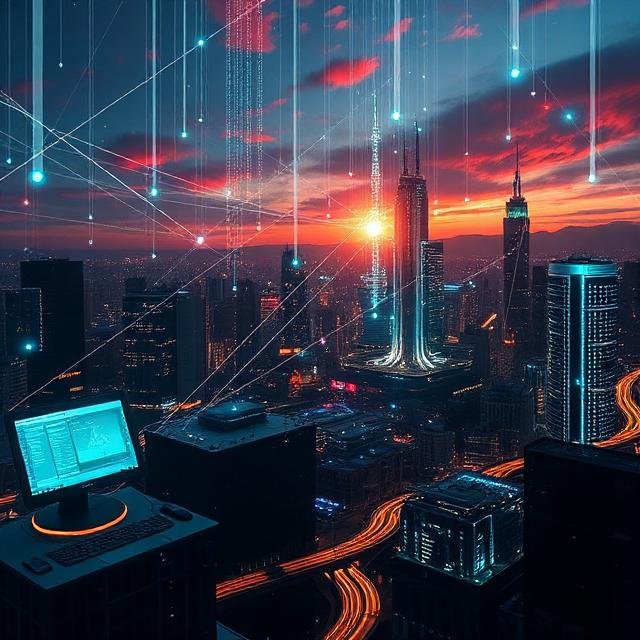
Technology evolves faster than ever, and the next ten years promise changes that could redefine how we live, work, and interact with the world. Innovations that feel experimental today may become essential parts of daily life tomorrow.
While no one can predict the future with perfect accuracy, current research, investment patterns, and early adoption trends give us strong clues. Let’s explore some future technology predictions for the next decade and what they might mean for individuals and businesses.
Artificial Intelligence Will Become Invisible
AI will increasingly operate behind the scenes rather than as a standalone feature. Instead of saying, “This product uses AI,” it will simply be expected.
What we might see
- Hyper-personalized digital experiences
- Automated administrative tasks
- Smarter virtual assistants capable of complex reasoning
- Real-time language translation in conversations
AI will quietly enhance productivity in almost every industry.
Major Advances in Healthcare Technology
The coming decade could revolutionize diagnosis, treatment, and prevention.
Likely developments
- AI-assisted early disease detection
- Personalized medicine based on genetics
- Remote monitoring through wearables
- Growth in robotic and minimally invasive surgery
Healthcare may shift from reactive treatment to proactive prevention.
Smart Homes Will Become Fully Autonomous
Today’s smart homes still require significant user input. In the future, they may anticipate needs automatically.
Imagine homes that:
- Adjust temperature based on habits
- Order groceries when supplies run low
- Optimize energy usage in real time
- Enhance security using intelligent monitoring
Convenience and efficiency will reach new levels.
Transportation Will Be Greener and Smarter
Mobility is expected to transform dramatically.
Over the next decade
- Electric vehicles may dominate new car sales
- Autonomous driving features will improve
- Smart traffic systems will reduce congestion
- Shared mobility services will expand
Travel could become safer, cleaner, and more efficient.
The Rise of Immersive Digital Experiences
Augmented reality (AR) and virtual reality (VR) are likely to move into mainstream use.
Possible everyday applications
- Virtual offices and collaboration
- Immersive education and training
- Enhanced online shopping experiences
- Interactive entertainment environments
Digital and physical realities will blend more seamlessly.
Quantum Computing Breakthroughs
Although still developing, quantum computing may begin solving problems that traditional computers cannot handle efficiently.
This could impact:
- Drug discovery
- Climate modeling
- Cryptography
- Complex logistics optimization
Even partial progress could unlock massive innovation.
Automation Will Reshape Work
Repetitive and predictable tasks will increasingly be handled by machines.
What this means
- Higher productivity
- Shifts in required job skills
- Greater demand for creative and strategic roles
- Expansion of human-machine collaboration
Upskilling will become critical for workers worldwide.
Cybersecurity Will Become a Top Priority
As digital systems grow, so will risks. Security innovation will accelerate.
Future focus areas
- AI-driven threat prevention
- Stronger identity verification
- Privacy-enhancing technologies
- Regulation of digital data use
Trust will be a central factor in technology adoption.
Sustainable Technology Will Drive Innovation
Environmental challenges will push companies to develop greener solutions.
Expect growth in
- Renewable energy technologies
- Smart grids
- Carbon tracking tools
- Eco-friendly materials
Sustainability may become a standard requirement rather than a bonus.
Human-Technology Integration Will Increase
Wearables, implants, and advanced interfaces could bring technology closer to the body.
While widespread adoption may take time, developments might include:
- Enhanced health monitoring
- Brain-computer interface research
- Assistive technologies for disabilities
Ethical and privacy discussions will grow alongside these innovations.
Education Will Become More Accessible
Technology may break barriers to learning worldwide.
Potential outcomes
- AI tutors for personalized instruction
- Global virtual classrooms
- Skills-based digital certifications
- Lifelong learning platforms
Education could become more flexible and affordable.
Final Thoughts
The next decade will likely bring smarter systems, deeper connectivity, and more automation than ever before. AI, sustainability, healthcare innovation, and immersive technologies are expected to lead the way.
For individuals, staying adaptable and continuously learning will be vital. For businesses, embracing innovation early may provide significant competitive advantages.
The future is not just about new gadgets—it’s about how technology improves quality of life and expands human potential