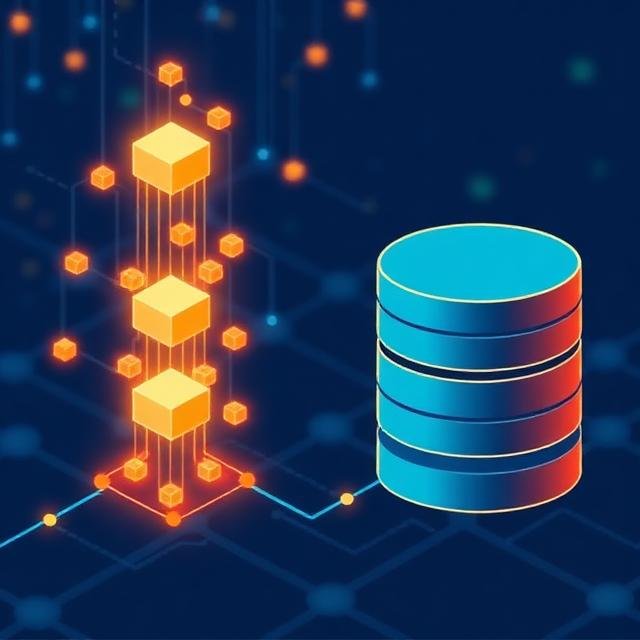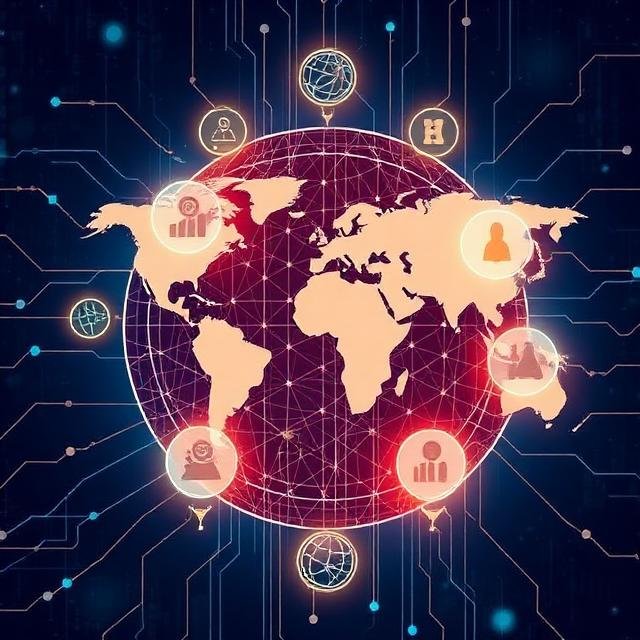
Blockchain technology has moved far beyond its original use in cryptocurrency. Today, it is transforming industries by offering secure, transparent, and decentralized ways to record data and manage transactions. From finance and healthcare to supply chains and digital identity, the real-world applications of blockchain technology continue to expand as organizations seek more efficient and trustworthy systems.
This blog explores how blockchain is being used in the real world and why it matters.
Blockchain in Financial Services
The financial sector was one of the first to adopt blockchain technology.
Key applications include:
- Faster and cheaper cross-border payments
- Secure peer-to-peer transactions
- Fraud reduction and improved transparency
Blockchain helps eliminate intermediaries, making transactions more efficient and accessible.
Supply Chain Management and Tracking
Blockchain improves visibility and accountability across supply chains.
How it’s used:
- Tracking goods from production to delivery
- Verifying product authenticity
- Reducing fraud and counterfeiting
Industries such as food, pharmaceuticals, and luxury goods benefit greatly from blockchain-based tracking systems.
Healthcare and Medical Records
Blockchain offers a secure way to manage sensitive healthcare data.
Real-world use cases include:
- Secure storage of patient records
- Controlled data sharing between providers
- Improved data accuracy and privacy
Patients gain more control over their medical information while healthcare providers improve efficiency.
Smart Contracts in Business Operations
Smart contracts are self-executing programs stored on a blockchain.
They are used for:
- Automating payments and agreements
- Reducing paperwork and legal costs
- Ensuring transparency and trust
Smart contracts are widely used in real estate, insurance, and legal services.
Digital Identity Verification
Blockchain helps create secure and tamper-proof digital identities.
Benefits include:
- Reduced identity theft
- Faster verification processes
- Improved user privacy
Governments and organizations are adopting blockchain-based identity systems to streamline services.
Blockchain in Voting Systems
Blockchain can enhance the security and transparency of voting.
Advantages of blockchain voting:
- Tamper-resistant vote records
- Increased voter trust
- Faster result verification
While still evolving, blockchain voting shows promise for future elections.
Real Estate and Property Transactions
Blockchain simplifies property buying and selling.
Applications include:
- Transparent property records
- Faster title transfers
- Reduced fraud
By automating processes, blockchain saves time and reduces administrative costs.
Blockchain in Education
Educational institutions are using blockchain to verify credentials.
Common uses:
- Digital diplomas and certificates
- Secure academic records
- Simplified verification for employers
This reduces credential fraud and streamlines verification.
Gaming and Digital Assets
Blockchain powers digital ownership in gaming and entertainment.
Examples include:
- Non-fungible tokens (NFTs)
- In-game asset ownership
- Secure digital marketplaces
Players can truly own and trade digital assets across platforms.
Energy and Sustainability Solutions
Blockchain supports decentralized energy systems.
Use cases include:
- Peer-to-peer energy trading
- Tracking renewable energy sources
- Improving grid efficiency
This promotes sustainable and transparent energy solutions.
Advantages of Blockchain in Real-World Applications
Across industries, blockchain provides:
- Transparency and trust
- Improved data security
- Reduced operational costs
- Greater efficiency
These benefits drive increasing adoption worldwide.
Challenges to Adoption
Despite its potential, blockchain faces challenges such as:
- Scalability issues
- Regulatory uncertainty
- High energy consumption in some networks
Ongoing innovation is addressing these limitations.
Final Thoughts
Blockchain technology is no longer just a concept—it’s a practical tool reshaping how industries operate. Its ability to provide secure, transparent, and decentralized solutions makes it valuable across many real-world applications.
As technology continues to evolve, blockchain is expected to play an even larger role in shaping the future of digital systems and global industries.