If you want more customers without constantly increasing your marketing budget, sales funnel optimization is the answer. A well-designed funnel guides potential buyers from first discovering your brand to making a purchase—and ideally becoming loyal advocates.
The problem? Many businesses lose prospects at different stages because their funnel isn’t aligned with customer needs. The good news is that small improvements can lead to big gains.
Let’s break down how sales funnel optimization can drive higher conversions and revenue.
What Is a Sales Funnel?
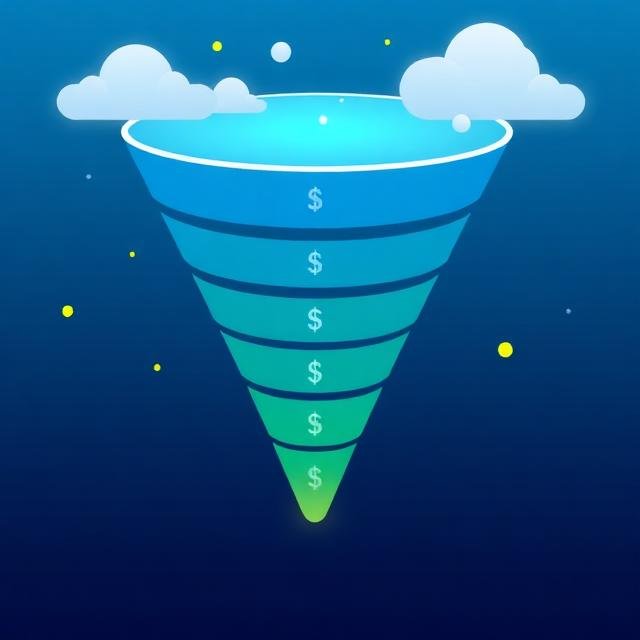
A sales funnel represents the journey customers take before buying. While models vary, most funnels include four core stages:
- Awareness – People discover your brand.
- Interest – They learn more about your product or service.
- Decision – They compare options and evaluate value.
- Action – They purchase or commit.
Optimization means improving each stage so fewer prospects drop off and more complete the journey.
Why Funnel Optimization Matters
Without optimization, you might be spending heavily on ads or content but still missing sales opportunities.
Improving the funnel helps you:
- Increase conversion rates
- Lower customer acquisition costs
- Improve marketing ROI
- Deliver a better customer experience
Even a 1–2% increase in conversions can significantly impact profits.
Step 1: Understand Your Audience
Effective optimization begins with knowing who your customers are and what they want.
Focus on:
- Pain points
- Buying motivations
- Objections
- Preferred communication channels
Use surveys, interviews, analytics, and customer feedback to build accurate buyer personas.
When messaging aligns with real needs, conversions naturally improve.
Step 2: Strengthen the Awareness Stage
At the top of the funnel, your goal is visibility and trust.
Strategies include:
- SEO-optimized blog content
- Social media marketing
- Paid advertising
- Educational videos
Make sure your content clearly communicates the problem you solve. Avoid being overly sales-focused at this stage.
Step 3: Capture and Nurture Leads
Once visitors show interest, capture their contact information.
Common methods:
- Free guides or ebooks
- Webinars
- Discount codes
- Newsletter signups
After capturing leads, nurture them with email sequences, helpful content, and case studies. Consistent communication builds credibility and moves prospects toward a decision.
Step 4: Optimize the Decision Stage
Here, potential customers are comparing you to competitors.
Help them choose you by providing:
- Testimonials and reviews
- Product demos
- Clear pricing
- FAQs
- Guarantees or risk reversals
Remove uncertainty and highlight your unique value.
Step 5: Improve the Conversion Step
When it’s time to buy, the process should be simple and frictionless.
Key improvements:
- Fast-loading pages
- Easy checkout
- Multiple payment options
- Clear calls to action
- Minimal form fields
Every extra step can reduce conversions.
Step 6: Use Data to Find Drop-Off Points
Analytics are essential for optimization. Identify where prospects leave the funnel.
Look at:
- Bounce rates
- Cart abandonment
- Email open and click rates
- Landing page conversions
Once you know the weak spots, you can test improvements.
Step 7: A/B Test Everything
Never rely on guesswork.
Test variations of:
- Headlines
- CTAs
- Page layouts
- Pricing displays
- Email subject lines
Small adjustments often produce significant gains over time.
Step 8: Focus on Trust and Credibility
People buy from businesses they trust.
Build confidence through:
- Secure payment badges
- Transparent policies
- Real customer reviews
- Professional design
- Responsive support
Trust reduces hesitation and speeds up decision-making.
Step 9: Don’t Forget Post-Purchase Optimization
The funnel doesn’t end after a sale. Happy customers can become repeat buyers and referral sources.
Encourage:
- Upsells and cross-sells
- Loyalty programs
- Referral incentives
- Follow-up communication
Retention is often cheaper than acquisition.
Common Funnel Optimization Mistakes
Many businesses:
- Target the wrong audience
- Use unclear messaging
- Overcomplicate checkout
- Ignore mobile users
- Fail to analyze data
Avoiding these pitfalls can immediately improve performance.
Final Thoughts
Sales funnel optimization is about guiding customers smoothly from curiosity to commitment. By understanding your audience, reducing friction, building trust, and continuously testing improvements, you can dramatically increase conversions without increasing ad spend.
The most successful businesses treat their funnels as living systems—constantly evolving based on data and customer behavior