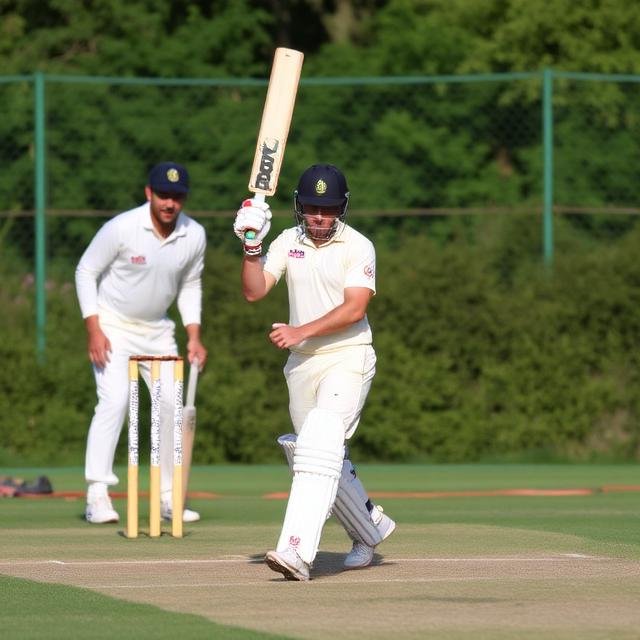
Cricket is one of the most skill-driven sports in the world, and young players who receive the right coaching early often develop faster, smarter, and more confidently. Proper training is not just about learning how to bat or bowl—it is about building discipline, technique, fitness, and game awareness from the beginning.
This guide provides point-by-point cricket coaching tips for young players, along with answers to common questions that parents and beginners often ask.
1. Start with Strong Fundamentals
The foundation of cricket coaching is building correct basics. Young players should never rush into advanced techniques.
Key fundamentals to focus on:
- Correct grip for bat and ball
- Balanced batting stance
- Basic bowling action
- Straight bat technique
- Simple catching and throwing drills
Coaches should ensure that players repeat these basics daily until they become natural habits.
2. Importance of Early Coaching Discipline
One of the most important aspects of cricket coaching is discipline. Young players must understand:
- Arriving on time for practice
- Following instructions carefully
- Respecting coaches and teammates
- Practicing regularly, even outside sessions
Discipline at a young age builds long-term consistency, which is essential for success in cricket.
3. Focus on Skill Development Over Power
Young players often try to hit the ball too hard. Coaches should guide them to focus on:
- Timing instead of strength
- Placement instead of aggression
- Control instead of risk
Proper skill development ensures that players grow into technically strong cricketers rather than just aggressive hitters.
4. Fielding: The Most Underrated Skill for Young Players
Fielding is often ignored but is one of the fastest ways to improve overall performance.
Coaching tips for fielding:
- Practice catching daily
- Work on reflex drills
- Improve throwing accuracy
- Learn to stay low and active
- Practice ground fielding techniques
Young players who excel in fielding often get more opportunities in competitive matches.
5. Fitness Training for Young Cricketers
Fitness is a key part of modern cricket coaching.
Essential fitness areas:
- Running for stamina
- Sprint drills for speed
- Agility ladder exercises
- Basic strength training (age-appropriate)
- Stretching for flexibility
A fit player not only performs better but also avoids injuries.
6. Mental Strength and Confidence Building
Cricket is a mental game as much as a physical one.
Coaching focus areas:
- Handling pressure situations
- Staying calm after mistakes
- Building self-confidence
- Learning from failures
- Visualizing successful performance
Young players should be encouraged to enjoy the game rather than fear mistakes.
7. Practice with Purpose
Random practice does not produce results. Every coaching session should have a goal.
Example:
- One day focus only on straight drives
- Another day focus on bowling accuracy
- Fielding drills on reaction time
Purposeful training leads to faster improvement in young players.
8. Match Experience is Very Important
Coaching is incomplete without real match exposure.
Benefits of match play:
- Understanding pressure situations
- Learning decision-making skills
- Improving game awareness
- Building confidence
Young players should be encouraged to play as many matches as possible.
9. How to Choose the Right Cricket Academy
Choosing the right academy plays a huge role in a young player’s development.
A good academy provides:
- Qualified coaches
- Structured training programs
- Fitness guidance
- Match exposure
- Technical correction
Many professional cricketers begin their journey in structured academies. For example, programs inspired by Virat Kohli Cricket Academy are designed to train young players with professional-level discipline and modern coaching methods. These academies focus on building both skill and mindset, similar to the training philosophy of Indian cricketer Virat Kohli.
10. What is the Right Age to Start Cricket Coaching?
This is one of the most common questions from parents:
Answer:
There is no fixed age, but generally:
- 5–7 years: Introduction to basic coordination and fun activities
- 8–10 years: Basic cricket skills (batting, bowling, fielding)
- 11–14 years: Structured coaching and technique development
- 15+ years: Advanced training and competitive preparation
The earlier a child starts learning fundamentals in a fun and structured way, the better their long-term development.
11. What is Rule 40 in Cricket?
Rule 40 in cricket refers to the Timed Out dismissal under the Laws of Cricket.
Explanation:
If a new batsman does not take strike within a specified time (usually 3 minutes after a wicket falls), they can be declared out without facing a ball.
Why it exists:
- Ensures game flow is maintained
- Prevents unnecessary delays
- Keeps the match fair and time-efficient
Although rare, it highlights the importance of readiness in cricket.
12. Who is the “Chapri Cricketer”?
The term “chapri cricketer” is a slang expression used informally on social media, often in a disrespectful or mocking way. It is not an official cricket term and does not refer to any recognized category of players.
Important clarification:
- No professional cricket board uses this term
- It is subjective and often used in online arguments
- It is not appropriate to label or target any individual player with such terms
In cricket coaching and sports education, the focus should always be on respect, learning, and improvement rather than using negative labels.
13. Coaching Tips for Batting Development
Young players often struggle with batting consistency. Coaches should focus on:
Key batting tips:
- Watch the ball till the end
- Keep head steady
- Play straight initially
- Avoid risky shots early
- Practice defensive strokes
Mastering defense is the first step toward becoming a strong batsman.
14. Bowling Coaching Tips for Beginners
Bowling requires rhythm and control.
Coaching focus:
- Smooth run-up
- Consistent line and length
- Proper wrist position
- Controlled release
- Learning one or two variations only
Young bowlers should prioritize accuracy over speed.
15. Importance of Video Analysis in Modern Coaching
Modern cricket coaching includes technology.
Benefits:
- Identifying mistakes
- Improving technique
- Tracking progress
- Learning from professionals
Even young players can benefit from reviewing their practice sessions.
16. Building a Long-Term Cricket Career
Cricket coaching is not just about short-term improvement. It is about building a career.
Long-term focus:
- Continuous learning
- Regular practice
- Physical development
- Mental strength
- Match experience
Consistency is the key to success.
Final Thoughts
Effective cricket coaching tips for young players focus on building strong fundamentals, discipline, fitness, and mental strength. Starting at the right age, practicing with purpose, and learning from structured coaching systems can shape a young player into a confident cricketer.
Whether it is understanding what is the right age to start cricket coaching, learning about rules like Rule 40 in cricket, or exploring professional training systems like those inspired by Virat Kohli through academies such as Virat Kohli Cricket Academy, the goal remains the same: steady improvement through disciplined practice.
Cricket success is not built overnight—it is developed through patience, guidance, and continuous effort.